If you have ever tried to assemble a car interior accessory line from three different continents, you already know the pain: one supplier for leather, another for plastic molds, a third for packaging, and a fourth for the shipping paperwork that nobody wants to own. It is a bit like building a sandwich by ordering bread, lettuce, and mayonnaise from separate restaurants. Eventually, you ask a simple question: is there one place where this all comes together?
For a growing number of wholesalers, brand owners, and e-commerce sellers, the answer is China. Not because it is trendy, and not because it is automatically cheaper, but because the country has built an ecosystem around manufacturing that is genuinely hard to replicate. In this article, we will look at the real reasons global buyers keep coming back to Chinese suppliers for car interior products, and how you can evaluate whether a supplier is worth your purchase order.
Quick Answer
- China offers a mature, vertically integrated supply chain for auto interior accessories, from raw leather and PU to molds, stitching, and packaging.
- Buyers get OEM and ODM flexibility, competitive pricing at scale, and export-ready logistics that most local suppliers cannot match.
- The result is faster product development, lower total landed cost, and a wider range of customizable products for wholesale and retail channels.
The Supply Chain Is Not a Chain — It Is a Neighborhood
When people say China has a strong supply chain, they often picture a long line of factories passing parts from one to another. In reality, it is more like a dense neighborhood where everyone knows everyone. A leather goods factory in Guangdong may have a tannery two streets away, a hardware supplier around the corner, and a packaging printer that can turn around samples in 48 hours. That proximity matters more than most buyers realize.
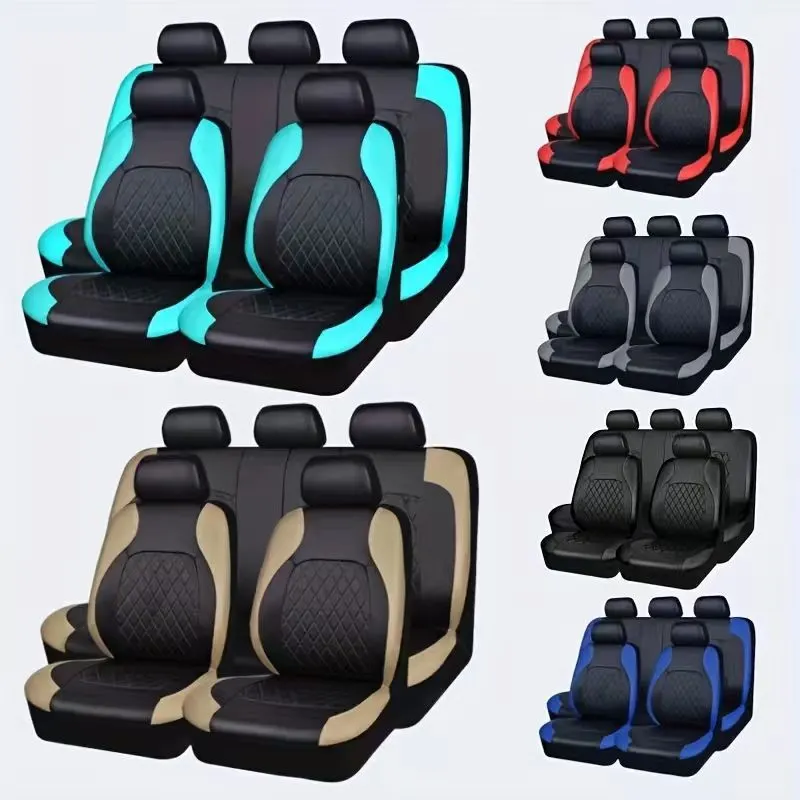
For auto interior products, this density means you can source a universal fully enclosed PU leather car seat cover set and have the same supplier coordinate the stitching, the elastic bands, the hooks, and the retail box. You are not just buying a product; you are buying a production system that already knows how the pieces fit together.
According to the OICA global automotive production data, the world continues to produce tens of millions of passenger vehicles each year, and every single one of them needs interior accessories. That demand is not concentrated in one region. It is spread across North America, Europe, the Middle East, Southeast Asia, and Latin America. A supplier base that can serve all of those markets with different specifications, languages, and packaging requirements has a structural advantage.
Why Buyers Keep Coming Back: Five Practical Reasons
1. OEM and ODM Flexibility Without the Drama
One of the most common reasons buyers switch to Chinese suppliers is customization. Maybe you want a seat belt shoulder pad with your logo embossed, or a car organizer in a specific shade of tan that matches your brand palette. In many markets, this triggers a long conversation about minimum order quantities, tooling fees, and six-month lead times.
In China, customization is often a normal Tuesday. Suppliers are used to handling OEM projects for brands of different sizes, from small e-commerce labels to large retail chains. A product like the luxury carbon fiber texture universal seat belt shoulder pad is a good example: the core design is stable, but the logo, color, and packaging can be adjusted for different markets without rebuilding the entire production line.
2. Cost Efficiency That Goes Beyond the Unit Price
Yes, labor and material costs in China are often lower than in many Western markets. But the real savings come from the total landed cost, not just the FOB price. When a supplier can source components locally, manage quality control in-house, and consolidate shipments, you avoid the hidden costs of coordinating multiple vendors.
Research from Research and Markets shows that the global automotive interior market continues to expand, driven by consumer demand for comfort, safety, and personalization. That growth attracts competition, and competition keeps suppliers sharp on pricing and efficiency. For buyers, this means you can often get a better-designed product at a similar or lower cost than a local alternative.
3. A Product Range That Covers the Whole Cabin
Another advantage of sourcing from China is the sheer breadth of product categories available under one roof — or at least within one trusted network. A buyer looking for car interior accessories can find everything from storage and organization to safety and comfort products.
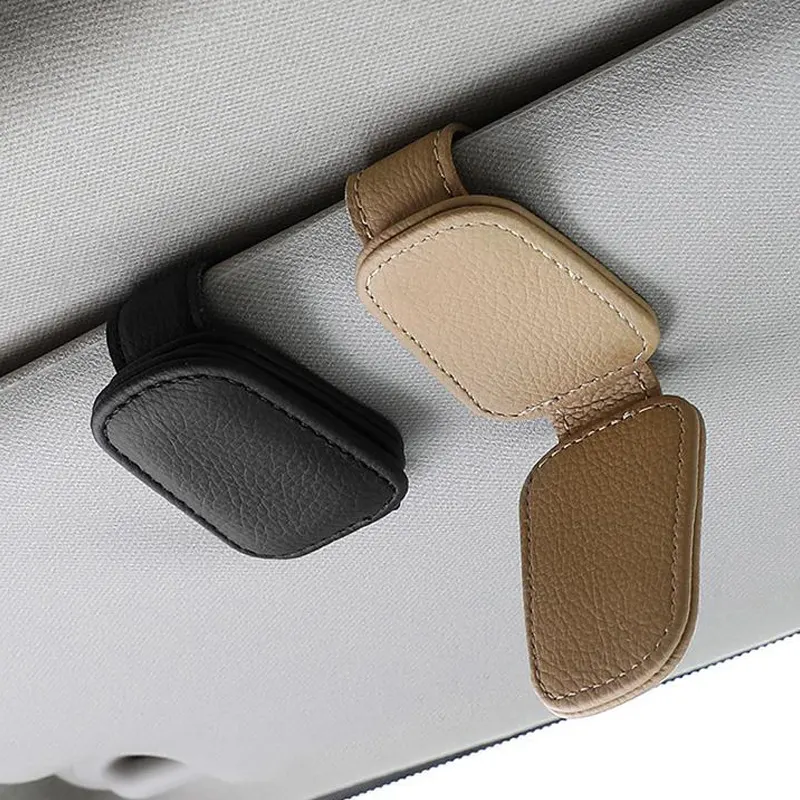
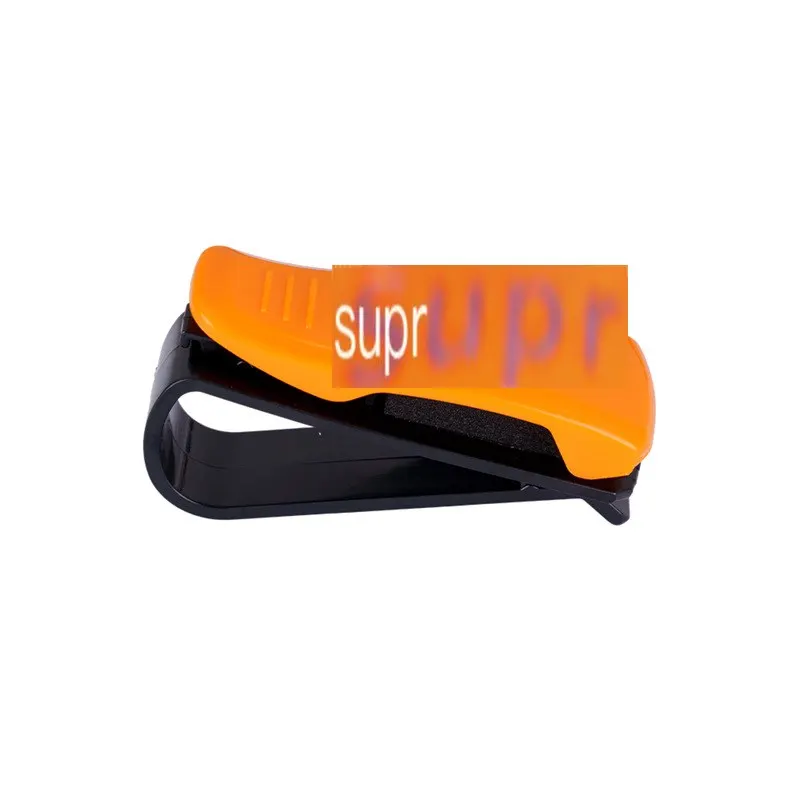
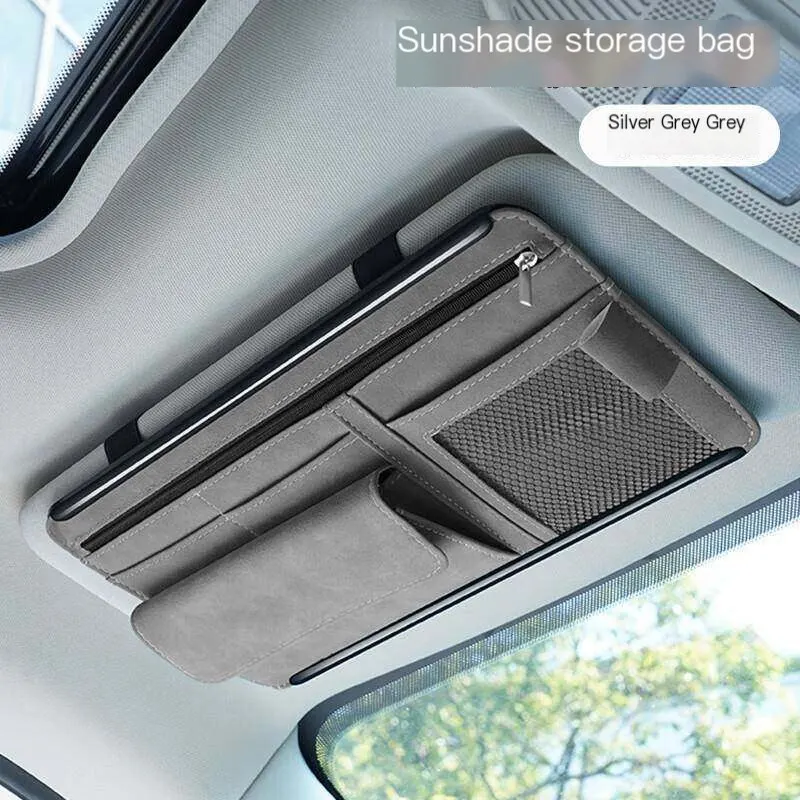
For example, a multifunctional car seat back storage organizer with a phone holder, cup holder, tissue box, and load-bearing hooks can be sourced alongside smaller items like a luxury leather sunglass clip car visor organizer. This range allows wholesalers to build a cohesive product line without juggling dozens of suppliers.
4. Export Experience Is Built Into the Business Model
Many Chinese suppliers are not just manufacturers; they are export businesses. They understand Incoterms, customs documentation, container loading, and the difference between a retail-ready poly bag and a shelf-ready gift box. This is not a small thing. A supplier who has shipped to Europe, North America, and the Middle East knows how to avoid the common mistakes that delay shipments.
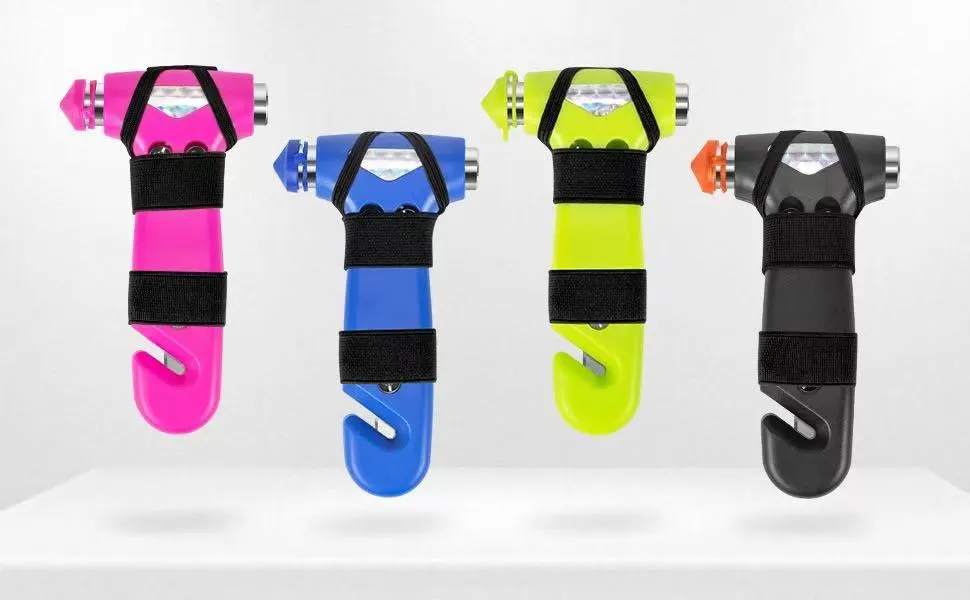
If you are sourcing safety-related products, for instance, a multi-functional car emergency safety hammer needs to meet different market expectations for packaging, labeling, and documentation. Experienced exporters already have templates and processes in place, which reduces your risk.
5. Speed of Sampling and Iteration
Product development is a race. The faster you can test a sample, get feedback, and adjust, the faster you can launch. Chinese suppliers often excel at rapid sampling because their upstream suppliers are nearby. Need a new color of PU leather? The tannery can send a swatch in days. Need a revised mold for a phone holder? The tooling shop is a short drive away.
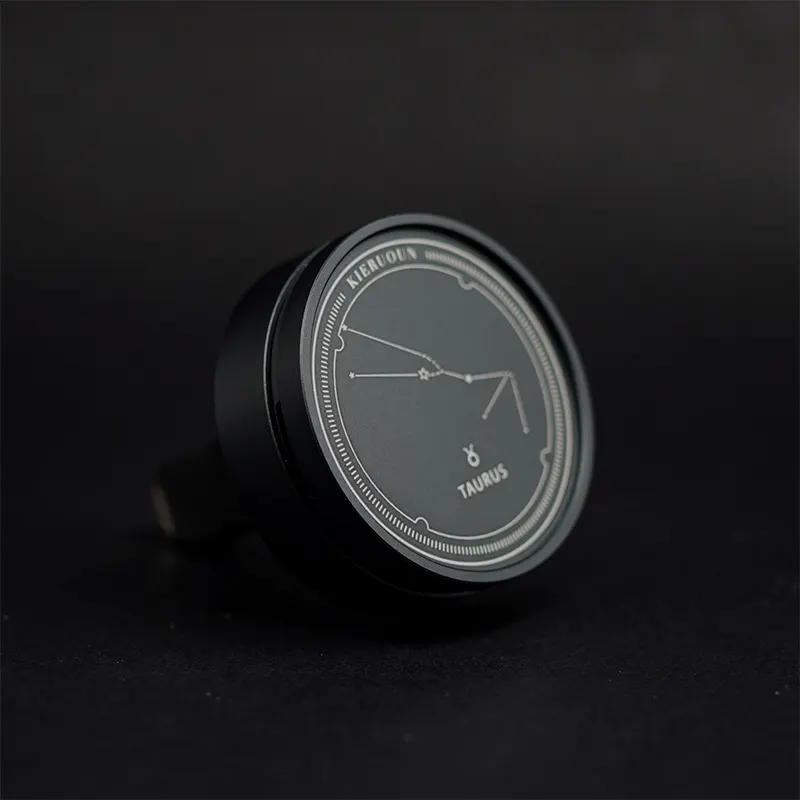
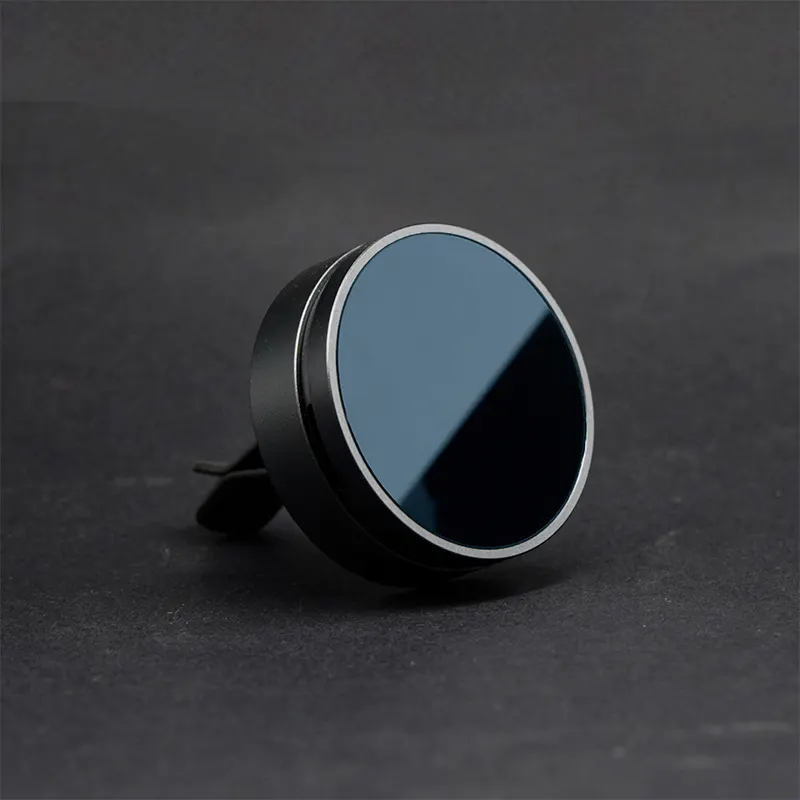
This speed is especially valuable for seasonal products or promotional items. A premium lambskin car multi-functional organizer that mounts on the air vent, for example, can be adapted for a new phone size or a different retail channel without waiting months for a new production run.
What About Quality and Sustainability?
The old stereotype that Chinese products are “cheap and cheerful” is outdated. Today, many suppliers invest in quality control, material testing, and sustainable production because their buyers demand it. Leather and PU products, in particular, are subject to increasing scrutiny from consumers and regulators.
Organizations like Leather Naturally promote responsible leather sourcing and environmental standards. Suppliers who align with these expectations can provide documentation, material certificates, and traceability that help buyers meet their own compliance requirements. When you evaluate a supplier, ask about their material sources, testing reports, and whether they follow recognized industry standards.
Quality is not a given, but it is achievable. The key is to treat it as a process, not a promise. Request samples, inspect pre-production units, and define your acceptance criteria clearly. A good supplier will welcome this because it reduces disputes later.
How to Choose the Right Chinese Supplier
Not every supplier is the right fit for every buyer. Here are a few practical filters you can use:
- Product focus: Do they specialize in auto interior accessories, or do they make everything from phone cases to garden tools? Specialists usually have better materials and faster sampling.
- Communication: Do they respond with clear answers, or do they send generic catalogs? Good communication is a leading indicator of good order handling.
- Customization capability: Can they handle your logo, packaging, and color requirements without excessive minimum order quantities?
- Export experience: Have they shipped to your market before? Do they understand your documentation and labeling needs?
- Transparency: Are they willing to share material details, production timelines, and quality control steps?
If you are new to sourcing, it also helps to read guides that explain how to evaluate specific product categories. For example, a detailed selection guide for multifunctional vehicle emergency safety hammers can show you what to look for in terms of materials, testing, and packaging. The same logic applies to other auto accessories.
The Bigger Picture: Why This Trend Is Not Slowing Down
Global sourcing from China is not a temporary phenomenon. It is the result of decades of investment in manufacturing infrastructure, logistics, and export expertise. As long as consumers around the world want affordable, customizable, and quickly delivered auto interior products, buyers will continue to look for suppliers who can deliver on those expectations.
Market forecasts from Grand View Research suggest that the automotive interior and seat cover market will keep growing, driven by vehicle production and aftermarket demand. That growth creates opportunities for buyers who can build reliable supplier relationships early.
If you are exploring auto interior accessories for your wholesale or retail business, it is worth looking at a supplier who understands both manufacturing and export. You can browse product categories, request samples, and discuss customization options. When you are ready to talk specifics, contact the team to discuss your requirements.
Frequently Asked Questions
Is it cheaper to source auto interior accessories from China?
Often yes, but the bigger advantage is total landed cost. Chinese suppliers can consolidate materials, production, and packaging, which reduces hidden coordination costs and improves overall efficiency.
Can I customize products with my own logo and packaging?
Yes. Many Chinese suppliers offer OEM and ODM services, including logo embossing, custom colors, retail packaging, and user manuals. Minimum order quantities vary by product and supplier.
How do I ensure product quality when sourcing from China?
Request samples, define clear acceptance criteria, and ask for material or testing reports. A reputable supplier will support pre-production inspections and provide documentation for compliance.
What is the typical lead time for wholesale orders?
Lead times depend on the product and customization level. Stock items may ship in days, while custom orders often take a few weeks for production plus shipping time.
Do Chinese suppliers handle shipping and export documentation?
Many do. Experienced exporters can arrange FOB, CIF, or DDP terms and prepare commercial invoices, packing lists, and certificates required for your market.
Are there sustainability concerns with leather and PU products?
Sustainability is a growing focus. Look for suppliers who can provide material traceability and follow recognized environmental standards for leather and synthetic materials.
How do I find a reliable supplier for car interior accessories?
Start with suppliers who specialize in your product category, check their export experience, and review their communication and sampling process. Reading category-specific guides can also help you ask better questions.
Can I order small quantities to test the market?
Some suppliers offer lower minimum order quantities for trial orders, especially for stock designs. Customized products usually require higher minimums due to tooling and material setup.